
Bring fluid elegance to your underwater layout with Cryptocoryne retrospiralis, a classic aquatic plant known for its tall, spiral leaves and copper-green hues. This hardy rooted species is perfect for adding height, texture, and natural movement to planted aquariums.Native to India and Sri Lanka, C. retrospiralis is both aesthetically refined and remarkably resilient ideal for both beginner and advanced aquascapers.
1.Water Parameters
- Temperature: The ideal temperature range for Cryptocoryne retrospiralis is 22–28°C (72–82°F), reflecting its tropical origins. Stable, warm temperatures promote healthy growth and reduce stress-induced issues like crypt melt
- .pH: Prefers slightly acidic to neutral water, with an optimal pH range of 6.0–7.5. While adaptable, growth is best within this window, as extreme pH can hinder nutrient uptake and cause stress
- .Hardness: Tolerates a wide range (3–20 dGH), but soft to moderately hard water is ideal. This flexibility makes it suitable for most tap water conditions, though very hard or very soft water may require adjustment for optimal growth.
.

2. Light & CO₂
- Light requirement: C. retrospiralis thrives under low to medium light. It does not require intense lighting, making it suitable for low-tech setups. Moderate light can enhance coloration, bringing out bronze or reddish hues, but excessive light may cause algae or leaf melt if not balanced with nutrients .
- CO₂: Supplemental CO₂ is optional. The plant grows well without it, but CO₂ injection can boost growth rate and coloration, especially in high-light or densely planted tanks. In low-tech tanks, it remains healthy without added CO₂
.
3. Planting Method
- Soil/Substrate setup: As a heavy root feeder, C. retrospiralis requires a nutrient-rich substrate such as aquasoil, fertilized gravel, or sand supplemented with root tabs. A substrate depth of 2–3 inches (5–8 cm) allows for robust root development. Avoid plain sand or gravel unless supplemented with root tabs
- Hydroponic / substrate-less setup: Not recommended, as the plant relies on substrate nutrients for healthy growth. Inert or substrate-less setups will result in poor growth unless heavily supplemented .
.
4. Growth & Maintenance
- Growth speed: Naturally slow to medium. The plant may take several weeks to establish and show visible growth, especially after initial planting or relocation .
- Trimming/pruning: Minimal pruning is required. Remove damaged, decaying, or melted leaves at the base to encourage new growth and prevent water fouling
- Water change needs: Weekly water changes of 20–30% are recommended to maintain water quality, prevent nutrient buildup, and support plant and fish health
.
5. Fertilization
- Root vs. water column feeding: C. retrospiralis is a heavy root feeder, absorbing most nutrients from the substrate. Root tabs or a nutrient-rich substrate are essential for optimal growth '
- Type of fertilizer: Use root tabs containing macronutrients and micronutrients (especially iron) every 1–2 months. Occasional liquid fertilizers can supplement micronutrients, particularly if other plants are present or if the substrate is not nutrient-rich
.
6. Propagation
Method: The primary propagation method is via rhizome runners. The plant sends out horizontal runners beneath the substrate, which develop into new plantlets. Once established, these can be separated and replanted. Rhizome division is possible but less common and more stressful for the plant
7. Common Problems & Fixes
- Crypt melt: Sudden leaf loss often occurs after planting or environmental changes. Solution: Maintain stable water parameters, avoid moving the plant, and be patient—new growth will emerge from healthy roots
- Yellowing leaves: Indicates nutrient deficiency, especially iron. Solution: Add root tabs or comprehensive fertilizers to the substrate .
- Algae: Caused by excessive light or nutrient imbalance. Solution: Reduce lighting intensity/duration, balance fertilization, increase water changes, and consider algae eaters .
- Poor root growth: Results from shallow or poor-quality substrate and frequent disturbance. Solution: Use a deep, nutrient-rich substrate and avoid uprooting .

.
8. Aquascape Placement
Placement: Due to its tall, spiraled leaves (up to 24 inches/60 cm), C. retrospiralis is best used as a background plant in aquascapes. It creates vertical accents and a natural, flowing look, especially in taller tanks. Grouping several plants together enhances the visual effect and mimics its natural growth habit
.
9. Pro Tips
Special handling: Once planted, avoid moving the plant to prevent crypt melt. When planting, bury only the roots and keep the crown (where leaves meet roots) above the substrate to prevent rot
Hacks: Use aquascaping tweezers for precise planting. In high-flow tanks, temporarily secure the plant with a small rock or thread until roots establish
Hobbyist insights: Patience is key—C. retrospiralis may take weeks to acclimate and show new growth, but once established, it is hardy and low-maintenance. Supplement with root tabs in inert substrates for best results.
PRODUCT LINKS :
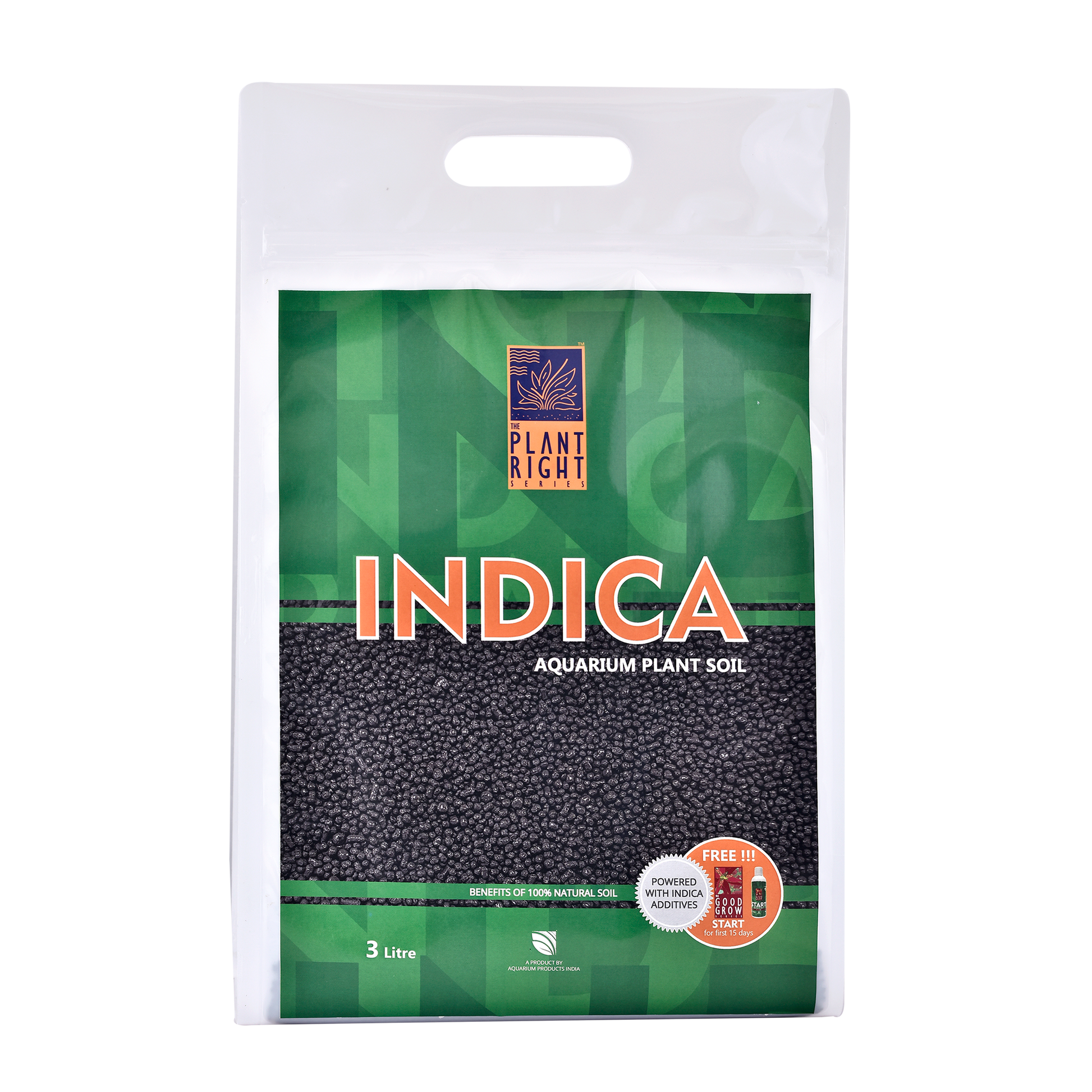
INDICA AQUARIUM SOIL : https://aquariumproductsindia.in/products/indica-soil-3liters
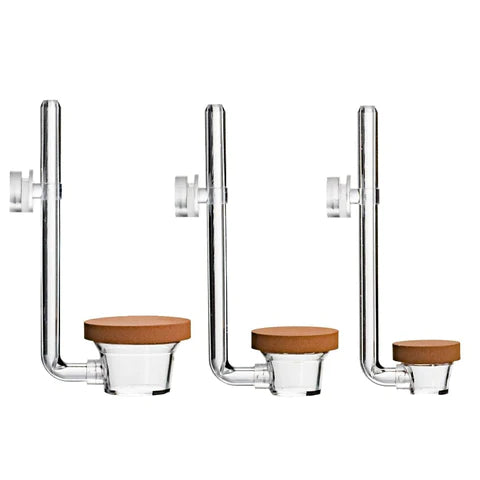
CO2 DIFFUSER KIT : https://aquariumproductsindia.in/products/twinstar-co2-diffuser-planted-tank-aquarium-co2-diffuser
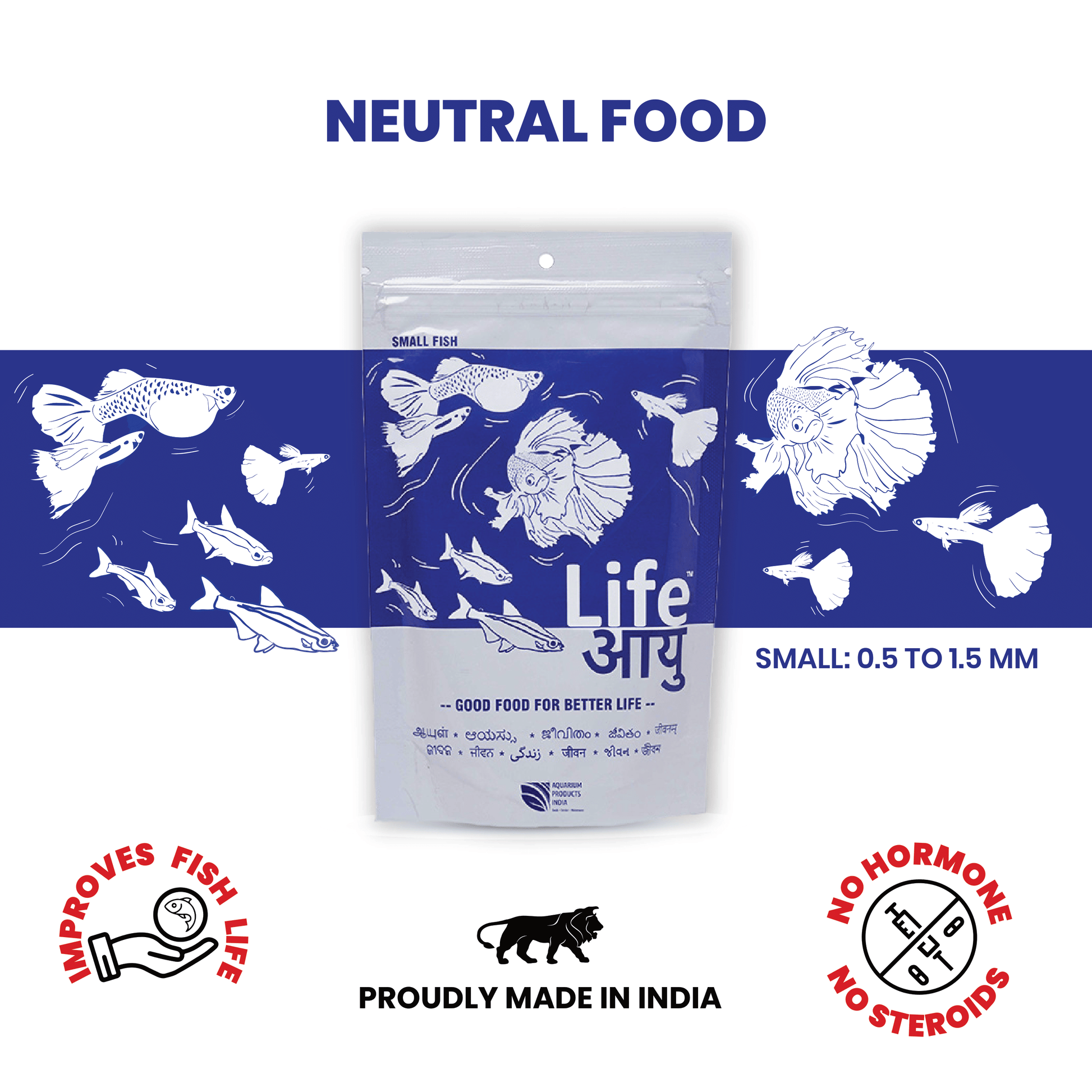
Life Aayu Fish Food :https://aquariumproductsindia.in/products/life-aayuh-neutral-food-small-fish
Aquascaping Glue: https://aquariumproductsindia.in/products/aquascaping-plant-moss-super-glue-5g
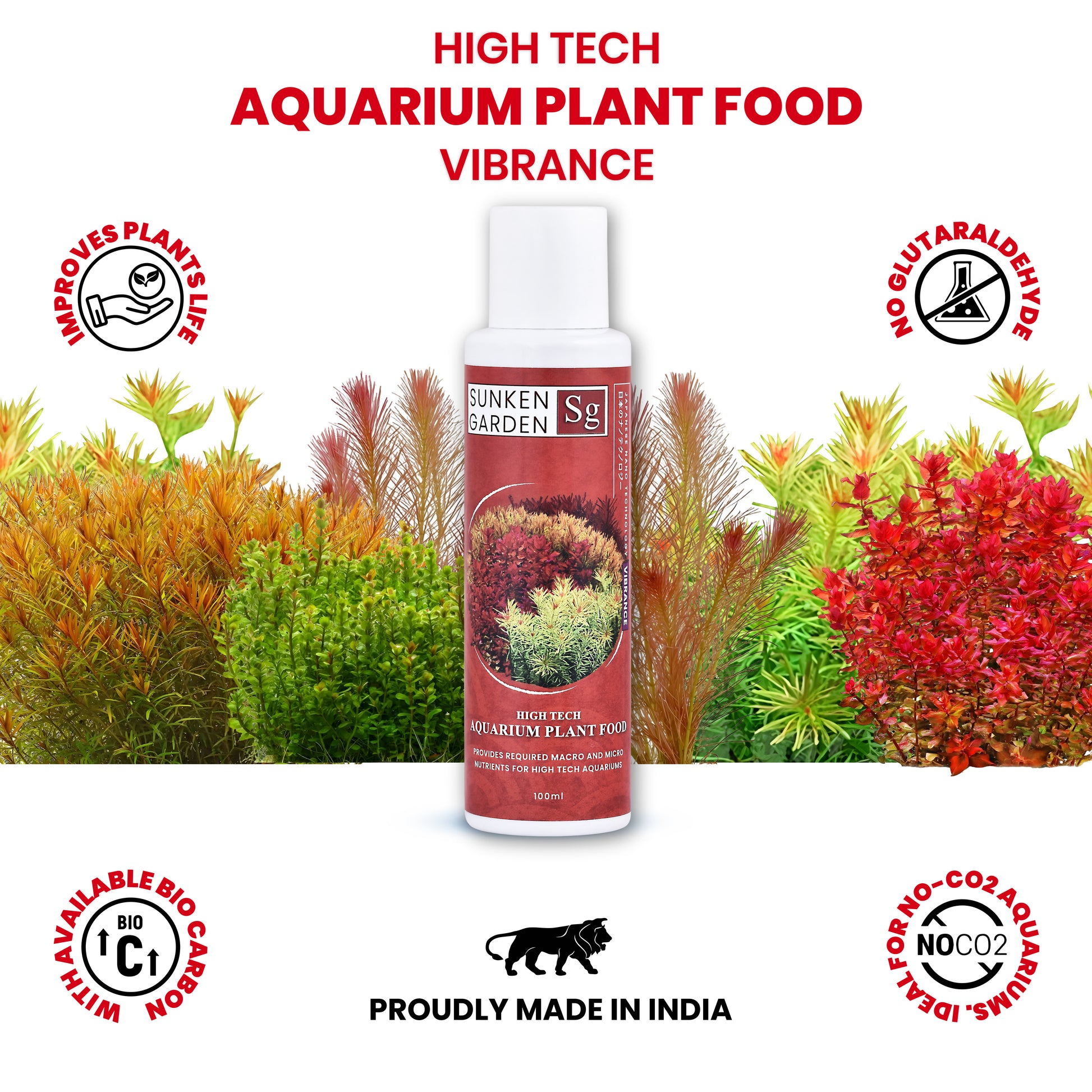
Liquid Fertilizer — Aqualine Micro: https://aquariumproductsindia.in/products/sunken-garden-vibrance-100ml