
The Rotala rotundifolia 'High Red' (or 'HRA') is one of the most sought-after stem plants in the aquascaping world. While its leaves can range from rich orange to olive green, achieving that signature deep crimson color requires focused, high-tech care. When given the proper environment, it forms dense, vibrant bushes that make an incredible focal point or background element.
1. Water Parameters
Temperature: The optimal temperature range for Rotala rotundifolia "High Red" is 22–28°C (72–82°F). Within this range, the plant shows the best growth and coloration, with the mid to upper part of this range often producing the most intense red pigmentation. Higher temperatures above 28°C may accelerate growth but can reduce color intensity as the plant prioritizes growth over pigmentation. The metabolic rate increases with temperature, but excessive heat can stress the plant and reduce its ability to produce the anthocyanin pigments responsible for red coloration.
pH: A slightly acidic to neutral pH range of 5.5–7.0 is ideal for maximizing the red coloration in Rotala rotundifolia "High Red" . This pH range enhances the availability of certain micronutrients, particularly iron, which is crucial for anthocyanin production and thus red pigmentation. When pH rises above 7.0, nutrient uptake efficiency decreases, leading to paler coloration. The acidic environment helps keep iron in its soluble ferrous (Fe²⁺) form, which is more readily absorbed by plants than the ferric (Fe³⁺) form that predominates in alkaline conditions.
Hardness: Soft to moderately hard water is preferred for Rotala rotundifolia "High Red," with a General Hardness (GH) of 3–8 dGH and Carbonate Hardness (KH) of 1–4 dKH. Soft water allows for better nutrient absorption, especially iron and trace elements essential for red pigmentation. Excessively hard water can lead to nutrient lockout, reducing the intensity of red coloration. If your tap water is too hard, using RO (reverse osmosis) water and remineralizing it to the appropriate parameters can help achieve optimal conditions.
2. Light & CO₂
Light Requirements: High-intensity lighting is essential for bringing out the vibrant red coloration in Rotala rotundifolia "High Red" . A minimum of 80 µmol PAR (Photosynthetically Active Radiation) at the substrate level is recommended for optimal coloration . A photoperiod of 7–8 hours per day is generally sufficient; longer periods don't necessarily improve coloration and may lead to algae issues .The high light intensity triggers the plant's production of anthocyanin pigments as a protective mechanism against light stress, resulting in the desired red coloration.
CO₂ Supplementation: CO₂ injection is essential for achieving the most vibrant red coloration and healthy growth in Rotala rotundifolia "High Red" .A concentration of 15–30 ppm is optimal . While the plant can survive without CO₂ supplementation, it will not develop its characteristic intense red coloration without it. CO₂ works synergistically with high light to enhance photosynthetic efficiency, allowing the plant to allocate more resources to pigment production rather than just survival. Without adequate CO₂ in high-light conditions, the plant may suffer from carbon limitation, leading to stunted growth and increased susceptibility to algae .
3. Planting Method
Soil/Substrate Setup: A nutrient-rich substrate provides a good foundation for Rotala rotundifolia "High Red," though it primarily feeds through the water column. The substrate should be fine-grained to allow easy root penetration and establishment. Aquasoil products that lower pH slightly can be beneficial for enhancing nutrient availability, particularly iron, which is crucial for red pigmentation.
Hydroponic/Substrate-less Setup: While Rotala rotundifolia "High Red" can be grown in hydroponic or substrate-less setups, these methods may not provide optimal conditions for achieving the most intense red coloration. In such setups, careful attention to water column fertilization becomes even more critical to ensure the plant receives all necessary nutrients.
4. Growth & Maintenance
Growth Speed: Rotala rotundifolia "High Red" is a fast-growing stem plant under optimal conditions of high light and CO₂ supplementation . It can reach 20–50 cm in height depending on tank conditions and maintenance. This rapid growth necessitates regular maintenance to prevent overcrowding and shading of lower leaves.
Trimming/Pruning: Regular trimming is essential for maintaining the shape and health of Rotala rotundifolia "High Red" Top trimming encourages the plant to produce multiple side shoots from the nodes below the cut, resulting in a fuller, bushier appearance. The trimmed tops can be replanted into the substrate to propagate new stems and increase plant density. It's advisable to stagger trimming sessions rather than cutting all stems at once to avoid shocking the plant and to maintain continuous coverage in the aquascape . Removing lower leaves that become shaded and die off helps prevent decay and maintain water quality.
Water Change Needs: Regular water changes help prevent nutrient imbalances and algae growth, both of which can negatively impact the health and coloration of Rotala rotundifolia "High Red." Water changes also help maintain stable water parameters and replenish essential minerals and trace elements that may be depleted through plant uptake.
5. Fertilization
Root vs. Water Column Feeding: Rotala rotundifolia "High Red" primarily feeds through the water column, absorbing nutrients directly from the water through its stems and leaves. While it does develop a root system, the majority of its nutrient uptake occurs through its submerged portions above the substrate.
Type of Fertilizer: Liquid fertilizers with high iron and micronutrient content are essential for achieving and maintaining the vibrant red coloration of Rotala rotundifolia "High Red." Iron is particularly crucial for anthocyanin production, which gives the plant its red hue. A comprehensive fertilization regimen that includes macronutrients (nitrogen, phosphorus, potassium) and micronutrients (iron, manganese, zinc, etc.) is recommended for optimal growth and coloration.
6. Propagation
Method: Propagation of Rotala rotundifolia "High Red" is primarily done through top cuttings . When trimming the plant, the cut tops can be replanted directly into the substrate, where they will develop roots and grow into new plants. This method is highly effective and allows for rapid multiplication of the plant. The mother stem will also produce new side shoots from the nodes below the cut, resulting in a bushier appearance.

7. Common Problems & Fixes
Poor Red Coloration: If Rotala rotundifolia "High Red" is not developing its characteristic vibrant red color, the most common causes are insufficient light intensity, inadequate CO₂ supplementation, or iron deficiency . Increasing light intensity to at least 80 µmol PAR at the substrate level, ensuring CO₂ levels are between 15-30 ppm, and supplementing with iron-rich fertilizers can help enhance red pigmentation.

Leggy Growth: Leggy or sparse growth is often a result of insufficient light reaching the lower portions of the plant. Regular trimming to maintain a bushy form and ensuring adequate light penetration throughout the plant mass can help prevent this issue. Proper spacing between stems during planting also allows for better light distribution.

Algae Growth: High light and nutrient levels required for optimal Rotala growth can sometimes lead to algae problems. Maintaining a balance between light, CO₂, and nutrients, along with regular water changes and appropriate filtration, helps prevent algae outbreaks. Adding fast-growing floating plants temporarily can also help compete with algae for nutrients while adjusting the tank parameters.

8. Aquascape Placement
Rotala rotundifolia "High Red" is typically used as a background or midground plant, depending on the size of the aquarium and how it's trimmed
. In larger tanks, it works well as a background plant, creating a striking red backdrop. In smaller tanks, it can be maintained as a midground element through regular trimming. Its vibrant red coloration makes it an excellent focal point or accent in aquascapes, providing a striking contrast to green plants.
9. Pro Tips
Staggered Trimming: Instead of cutting all stems at once, trim in stages to maintain the overall appearance of the aquascape and reduce stress on the plant
Water Quality: For the most vibrant coloration, consider using RO water remineralized to appropriate parameters if your tap water is too hard or has high pH.
Color Gradient: Allow some stems to grow taller than others to create a natural-looking gradient of color, with the most intense red at the tops where light is strongest.
Contrast Placement: Place next to green plants to enhance the visual impact of the red coloration through complementary colors.
Nutrient Balance: While iron is crucial for red coloration, maintain a balanced fertilization regimen to avoid deficiecies in other nutrients that could limit growth and color development.
PRODUCT LINKS :
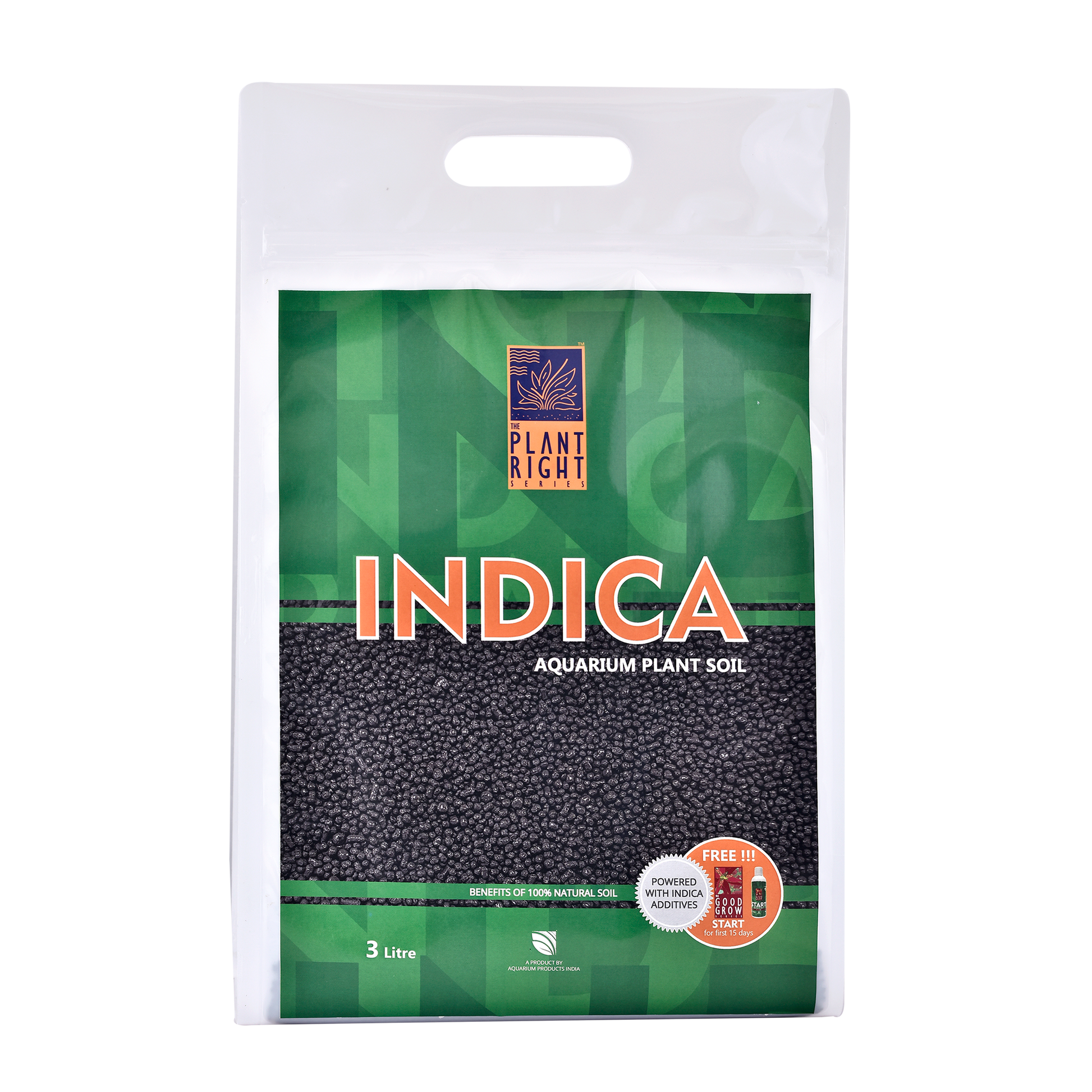
INDICA AQUARIUM SOIL : https://aquariumproductsindia.in/products/indica-soil-3liters
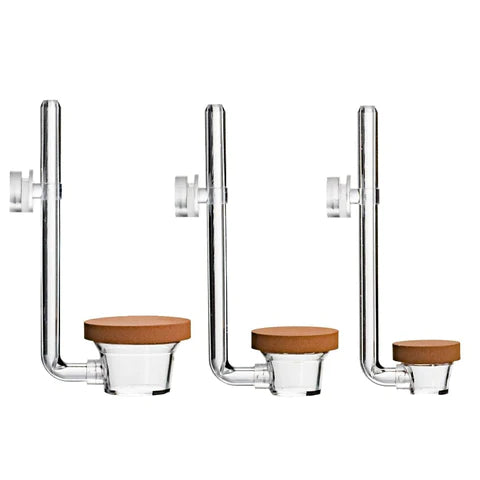
CO2 DIFFUSER KIT : https://aquariumproductsindia.in/products/twinstar-co2-diffuser-planted-tank-aquarium-co2-diffuser
Aquascaping Glue: https://aquariumproductsindia.in/products/aquascaping-plant-moss-super-glue-5g
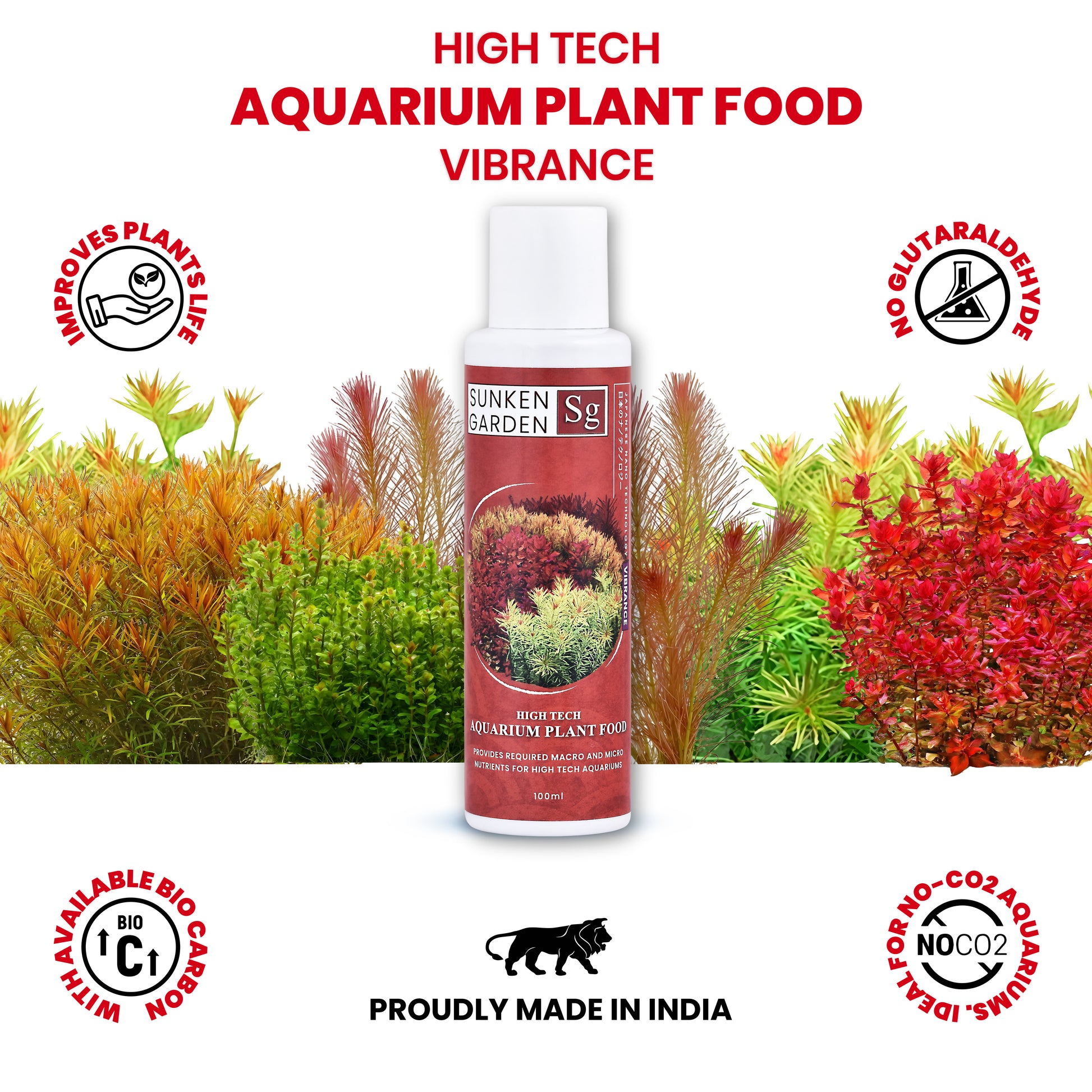
Liquid Fertilizer — Aqualine Micro: https://aquariumproductsindia.in/products/sunken-garden-vibrance-100ml