

Is cold water good for aquarium fish? Learn which fish thrive in cold water, benefits, risks, care tips, and recommended aquarium products from AquariumProductsIndia.in.
Is Cold Water Really Safe for Fish?
Water temperature is one of the most critical factors in aquarium fish health. Many fishkeepers assume that all fish need warm water, but that’s not entirely true.
Cold water can be very good for fish if:
You choose the correct species
The temperature stays stable
Water quality is properly maintained
In this detailed guide, we’ll explain how cold water affects fish, which fish thrive in cooler temperatures, and how to create a healthy cold water aquarium using trusted products from AquariumProductsIndia.in.
What Is Considered Cold Water in Aquariums?
In fishkeeping terms:
Cold Water Aquariums: 10–22°C (50–72°F)
Tropical Aquariums: 24–28°C (75–82°F)
Cold water fish come from temperate climates such as rivers, lakes, and streams where water temperatures naturally fluctuate.
👉 Important: Most popular aquarium fish are tropical and cannot thrive long-term in cold water without a heater.
Why Cold Water Can Be Good for Fish
1. Mimics Natural Habitat
Fish are cold-blooded animals, meaning their body temperature matches their environment. Cold-water fish evolved to function optimally in cooler conditions.
Keeping them at the correct temperature:
Improves lifespan
Reduces stress
Enhances natural behaviour
2. Higher Oxygen Levels
Cooler water holds more dissolved oxygen than warm water. This allows fish to:
Breathe more easily
Stay more active
Maintain better overall health
3. Supports Healthy Metabolism
Cold water slows metabolism, which:
Prevents overfeeding
Reduces digestive issues
Lowers waste production
This is ideal for fish like goldfish and danios that are adapted to slower metabolic rates.
4. Lower Equipment & Electricity Costs
Cold water aquariums:
Don’t require heaters
Use less electricity
Have fewer equipment failures
This makes them budget-friendly and beginner-friendly.

Which Fish Thrive in Cold Water?
Best Cold Water Aquarium Fish
These species naturally thrive in cooler temperatures:
-
Goldfish (Fancy & Common)

-
Zebra Danios

-
White Cloud Mountain Minnows

-
Rosy Barbs

Why Cold Water Is NOT Good for Tropical Fish
Cold water can cause serious issues for tropical species:
❌ Weak immune systems
❌ Poor digestion
❌ Lethargy and stress
❌ Increased disease risk
If you keep tropical fish, always use a reliable heater during winter or cooler months.
Must-Have Equipment for Temperature Control
If you’re keeping tetras, a heater and thermometer are essential. Start with a heater sized for your tank (roughly 1 watt per litre) and aim to maintain around 74–76 °F (23–24 °C).
Start with a heater sized for your tank (roughly 1 watt per litre) and aim to maintain around 74–76 °F (23–24 °C).
-
Fluval E Heater – Reliable tropical aquarium heater
-
Eheim Jager Heater 100W – Trusted choice for mid-sized tanks
-
RS Electrical Aquarium Heater 50Watt – Budget-friendly for small tanks
-
Sobo Glass Aquarium Heater – Basic, affordable heater for small hobby tanks
-
Submersible Aquarium Heater 200W – Higher-output option for bigger tanks
-
OASE HeatUp 200 – Premium performance heater
You can browse more heater options at the Thermometers & Heaters collection on AquariumProductsIndia.in. https://aquariumproductsindia.in/search?q=thermometer&_pos=1&_psq=thermom&_ss=e&_v=1.0
Cold Water Aquarium Care Tips
Keep Temperature Stable
Sudden temperature swings are more dangerous than steady cold water.
✔ Avoid direct sunlight
✔ Keep tanks away from windows and air vents
✔ Use a thermometer to monitor daily
Adjust Feeding Habits
Cold water fish eat less.
✔ Feed smaller portions
✔ Remove uneaten food
✔ Avoid overfeeding during winter
Maintain Water Quality
Cold water slows beneficial bacteria growth, making filtration and water care essential.
✔ Perform regular water changes
✔ Use water conditioners
✔ Support beneficial bacteria growth
Recommended Products from AquariumProductsIndia.in
These products help maintain healthy water quality and stress-free fish, especially in cold or winter conditions.
⭐ Life Aayu Goldfish Food
Ideal for cold water fish metabolism
Supports digestion
Reduces waste
Balanced nutrition for goldfish
⭐ Life Aayu Nutro Fit Plus
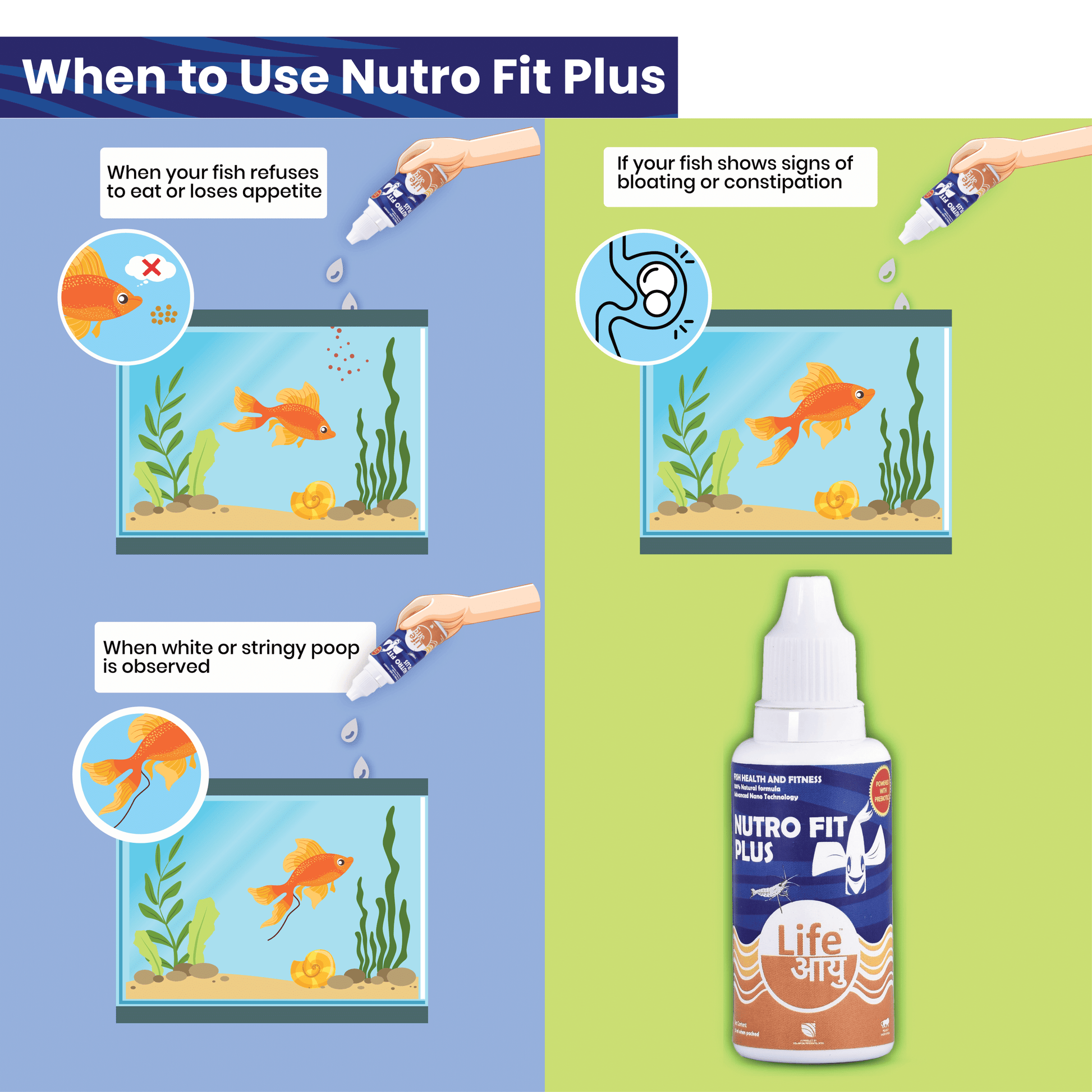
Fish health & immunity booster
Improves gut health
Enhances nutrient absorption
Ideal during temperature changes
Final Verdict: Is Cold Water Good for Fish?
✔ YES — for cold-adapted species like goldfish and danios
❌ NO — for tropical fish without heaters
Cold water aquariums are:
Easier to maintain
Cost-effective
Eco-friendly
Perfect for beginners
When paired with high-quality products from AquariumProductsIndia.in, cold water fishkeeping can be incredibly rewarding and sustainable.
Frequently Asked Questions (FAQ)
Is cold water good for aquarium fish?
Yes, cold water is good for fish that are naturally adapted to cooler environments, such as goldfish, zebra danios, and white cloud mountain minnows. These species thrive in stable, cooler temperatures and do not require a heater.
What temperature is considered cold water for fish?
Cold water aquariums typically range between 10–22°C (50–72°F). Most cold water fish are happiest between 18–22°C, as long as the temperature remains stable.
Do cold water fish need a heater?
No, cold water fish do not need a heater if your room temperature stays within their acceptable range. Stability is more important than warmth for these species.
Can tropical fish live in cold water?
No. Tropical fish such as guppies, tetras, and bettas require warm water to maintain healthy metabolism and immune function. Keeping them in cold water can lead to stress and disease.
What are the benefits of a cold water aquarium?
Cold water aquariums are more energy-efficient, cost-effective, and easier to maintain. Cooler water also holds more oxygen, which benefits fish health.
Do cold water fish eat less?
Yes. Cold water slows metabolism, so fish require smaller portions and less frequent feeding compared to tropical fish.
How can I keep cold water fish healthy in winter?
Maintain stable temperatures, avoid sudden changes, monitor water quality, reduce feeding slightly, and use stress-relief and water-conditioning products when needed.

