

Picture this: you walk up to your aquarium in the morning, coffee in hand, and something immediately feels wrong. Your beautiful betta fish is floating near the surface but upside down. Or maybe your goldfish is desperately trying to swim but keeps sinking to the bottom, spiraling sideways, looking completely helpless. Your heart sinks. You wonder: Is my fish dying?
Don't panic just yet. What you're seeing is very likely Swim Bladder Disease, one of the most common conditions that affects aquarium fish, and fortunately, one that is often fully treatable with the right care and a little patience.
This guide will walk you through everything you need to know: what swim bladder disease actually is, why it happens, how to spot it early, how to treat it at home, and most importantly, how to prevent it from coming back.
What Exactly Is Swim Bladder Disease?
Inside every fish is a small, balloon-like internal organ called the swim bladder (also called the gas bladder). Its job is elegantly simple: it fills with gas to help the fish control its buoyancy, essentially letting the fish float at whatever depth it wants without constantly having to swim up or down. Think of it like a built-in life jacket that the fish can inflate or deflate at will.
When the swim bladder is working properly, you'll never notice it. Your fish glides effortlessly through the water, maintaining position with ease. But when something goes wrong with this organ, whether it gets compressed, infected, becomes inflamed, or malfunctions for any reason, the fish loses its ability to control where it sits in the water column.
The result is what you see: a fish floating at the top, sinking to the bottom, rolling to one side, or swimming in erratic, tilted patterns. This collection of symptoms is what we collectively call swim bladder disease or swim bladder disorder.
It's worth noting that "swim bladder disease" is not a single disease; it's more of a symptom cluster that can be caused by several different underlying factors. Understanding the cause is key to treating it correctly.
Why Does Swim Bladder Disease Happen? (Common Causes)
There's no single villain here; swim bladder disease can develop for a variety of reasons. Let's look at the most common ones.
Overfeeding and Constipation
This is, by far, the most common cause, especially in home aquariums. When fish are overfed, or when they eat too quickly and gulp air along with their food, the digestive system becomes bloated. An overfull stomach can physically press against the swim bladder, compressing it and preventing normal function. This is particularly common in fancy goldfish, which tend to be enthusiastic, fast eaters.
Constipation worsens the situation. If a fish is chronically underfed on fibre or eating low-quality food that's hard to digest, waste builds up in the gut, creating internal pressure that directly affects the swim bladder.
Low-Quality or Incorrect Diet
Not all fish food is created equal. Many budget fish foods are packed with fillers, low-quality proteins, and ingredients that are difficult for fish to digest. When fish eat food that doesn't suit their biology, it can lead to chronic digestive issues that eventually manifest as recurring swim bladder problems.
This is where nutrition becomes the real conversation. A fish eating a poor diet might not show immediate symptoms, but over time, repeated digestive stress, immune suppression, and nutritional deficiencies set the stage for swim bladder trouble.
Poor Water Quality
Here's something many beginners don't realise: poor water quality is one of the sneakiest triggers of swim bladder disease. When fish are kept in dirty, poorly maintained tanks, they are constantly exposed to elevated levels of ammonia, nitrites, and nitrates, the toxic byproducts of fish waste and uneaten food.
This connects directly to what aquarists call the Nitrogen Cycle. In a healthy, fully cycled tank, beneficial bacteria convert harmful ammonia (from fish waste) first into nitrites, and then into relatively safer nitrates, which are removed through water changes. When this cycle is disrupted because of an uncycled tank, overfeeding, overstocking, or infrequent maintenance, ammonia and nitrite levels spike. Fish living in these conditions experience chronic stress and inflammation that can impair organ function, including the swim bladder.
The science here is straightforward: a fish under prolonged chemical stress has a weakened immune system, impaired digestion, and is far more susceptible to infections and organ dysfunction.
Sudden Temperature Changes
Fish are cold-blooded creatures, which means their internal body temperature and by extension, all their metabolic and organ processes, are directly tied to the water temperature around them. A sudden drop or spike in temperature can shock a fish's system, causing temporary or sometimes persistent swim bladder dysfunction.
This is why sudden water changes with cold tap water, placing a tank near an air conditioner vent, or forgetting to use a heater during winter can trigger symptoms that look very much like swim bladder disease.
Bacterial or Parasitic Infections
In some cases, swim bladder problems are caused by a direct infection of the organ itself, either bacterial or parasitic. These cases are less common but more serious, and they typically present alongside other symptoms like lethargy, loss of colour, clamped fins, or unusual growths.
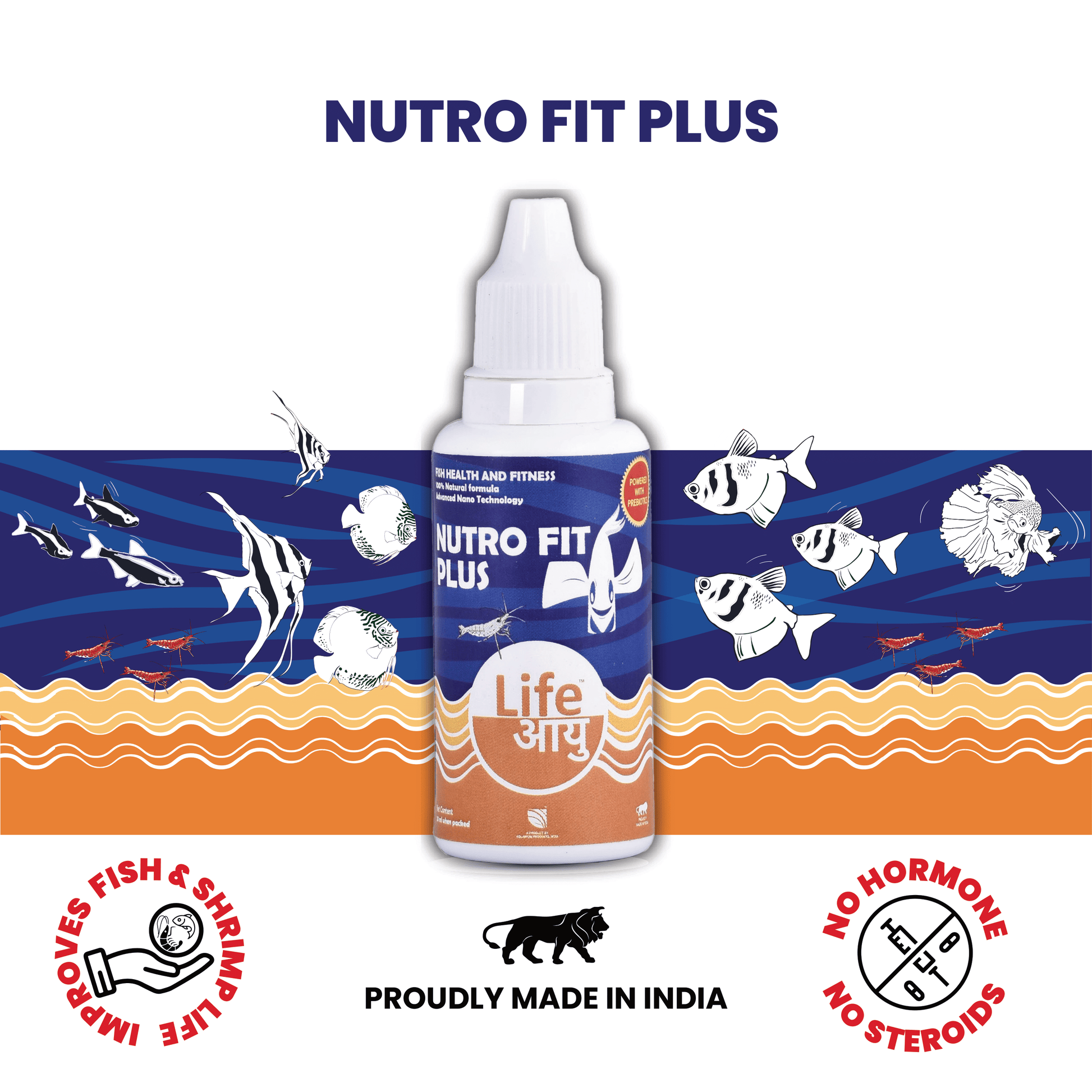
Infections require more targeted treatment (like aquarium antibiotics), but supporting the fish's immune system through proper nutrition plays a critical role in recovery. Fish immunity booster India— Nutro Fit Plus isn't just about digestion; it's a comprehensive health supplement that actively boosts your fish's immune defences. A stronger immune system means your fish can fight off bacterial and environmental stressors far more effectively, reducing the likelihood of infections becoming serious. Shop Nutro Fit Plus on Aquarium Products India and give your fish the immune support they need.

Recognising the Symptoms
The symptoms of swim bladder disease are usually hard to miss once you know what you're looking for. Here's what to watch for:
The most obvious sign is abnormal swimming posture. A fish with swim bladder problems may float helplessly near the surface, often on its side or completely upside down. Alternatively, it might sink to the bottom and struggle to rise, resting on its belly or tilting at odd angles. Some fish swim in vertical spirals or in circles, unable to hold a straight horizontal position.
Bloating or a distended abdomen is another common indicator, particularly when the cause is constipation or overfeeding. The belly may look rounder or larger than usual, and the fish may move slowly or avoid swimming altogether.
Reduced appetite is often present too. A fish that's experiencing internal discomfort tends to lose interest in food, which, unfortunately, can make recovery slower if not addressed quickly.
In more serious cases, especially those involving infection, you might also notice clamped fins (fins held tightly against the body rather than fanned out), loss of colour, or unusual growths or lesions.

Which Fish Are Most Vulnerable?
While swim bladder disease can technically affect any fish, some species are significantly more prone to it than others.
Goldfish — especially fancy varieties like Orandas, Ryukins, and Ranchus are among the most commonly affected. Their round, deep-bodied shape compresses their internal organs, leaving very little room between the digestive system and the swim bladder. This makes them extremely sensitive to overfeeding, and even a slightly too-large meal can trigger buoyancy problems. Fancy goldfish also tend to feed from the surface, gulping air along with their food, which compounds the issue.
Betta fish are another highly susceptible species. Bettas are naturally curious and enthusiastic eaters, but their digestive systems are sensitive. Overfeeding a betta or feeding it food that's too large or too hard to process frequently leads to constipation and swim bladder trouble. Bettas are also sensitive to temperature fluctuations, making them doubly vulnerable in poorly maintained tanks.
How to Treat Swim Bladder Disease
The good news is that in most cases, particularly when the cause is dietary or digestive, swim bladder disease responds very well to home treatment. Here's a step-by-step approach.
Step 1: Stop Feeding for 24–72 Hours
The very first thing to do when you notice swim bladder symptoms is to stop feeding your fish entirely for 24 to 72 hours. This gives the digestive system time to clear out any backed-up food, reduce internal bloating, and relieve the pressure on the swim bladder.
This step alone often resolves mild cases, particularly in goldfish.
Step 2: Feed Easily Digestible Food
After the fasting period, reintroduce food slowly. For goldfish and other omnivores, a tried-and-true home remedy is to feed them small amounts of fresh or frozen peas (with the outer skin removed). The soft flesh is high in fibre and acts as a gentle laxative, helping clear constipation quickly.
For bettas and carnivorous fish, opt for high-quality, easily digestible protein like daphnia or bloodworms rather than dry pellets, which can expand in the stomach.
Step 3: Improve Water Quality Immediately
Do a 25–30% water change, ensuring the fresh water is conditioned and temperature-matched to the tank. Clean the substrate (gravel or sand) with a siphon to remove decaying waste, and check that your filter is running properly.
Test your water parameters,
ammonia and nitrite should both be at zero in a healthy tank. If they're elevated, you'll need to do more frequent water changes and consider temporarily reducing your fish load or feeding frequency.
Step 4: Stabilise Temperature
Ensure your tank is at the right temperature for your specific fish and that it remains stable. Use a reliable heater and a thermometer. Goldfish typically thrive at 18–24°C, while bettas prefer 24–28°C. Sudden fluctuations, even of 2–3 degrees, can set back recovery significantly.
Step 5: Support Recovery With a Quality Supplement
Once your fish is showing signs of improvement, swimming more normally, showing interest in food, the next step is to ensure their recovery is complete and lasting. This is where supplementation becomes genuinely important. Nutro Fit Plus from Aquarium Products India is designed to support exactly this stage of recovery. It enhances digestive efficiency, helps restore the fish's internal balance, boosts vitality, and strengthens immune function — so your fish doesn't just recover, but comes back healthier than before. Many aquarists across India have made it a regular part of their tank maintenance routine. Order Nutro Fit Plus today and help your fish recover faster and stay healthier longer.

Prevention: How to Stop Swim Bladder Disease Before It Starts
As with most health conditions in fish and in people, prevention is far more effective (and less stressful) than treatment. Here are the habits that make a real difference.
Feed the right amount. A common rule of thumb is to feed only as much as your fish can consume in 2–3 minutes, once or twice a day. Whatever sinks to the bottom and isn't eaten should be removed promptly to avoid water quality issues.
Choose high-quality food. Cheaper fish foods often lack proper nutrition and contain hard-to-digest fillers. Invest in good-quality food appropriate for your fish species and supplement it regularly.
Maintain water quality consistently. Weekly water changes of 20–30%, regular filter maintenance, and routine parameter testing are non-negotiable for healthy fish.
Keep temperatures stable. Use a reliable aquarium heater with a built-in thermostat, and always temperature-match new water before adding it to the tank.
Soak dry pellets before feeding. This simple trick, soaking pellets in tank water for 30 seconds before feeding, causes them to expand outside the fish rather than inside its stomach, reducing the risk of bloating significantly.
Use Nutro Fit Plus regularly. Think of it as a daily health supplement for your aquarium, something that keeps digestion strong, immunity high, and your fish resilient against the kinds of stressors that typically lead to swim bladder problems.

When Should You See a Vet?
Most cases of swim bladder disease, especially those triggered by overfeeding, constipation, or water quality, improve significantly within 3–7 days of the steps above. However, if your fish shows no improvement after a week of consistent treatment, or if you notice additional symptoms like open sores, unusual growths, severe colour loss, or heavy laboured breathing, it's time to consult an aquatic veterinarian or an experienced fish specialist. These could indicate a deeper bacterial infection or an anatomical issue that requires medical intervention.
Conclusion: Early Detection, Better Nutrition, Lasting Health
Swim bladder disease can be frightening when you first see it, but it's rarely a death sentence. With the right knowledge and prompt action, most fish recover fully and go on to live healthy, active lives.
The biggest takeaways from this guide are these: catch it early, because the sooner you act, the better the outcome. Improve the fundamentals of water quality, feeding habits, and temperature stability because these are the foundation of fish health. And invest in nutrition, because a fish eating a poor diet is always at higher risk of recurring health problems.
Nutro Fit Plus from Aquarium Products India gives your fish a genuine edge: better digestion, stronger immunity, faster recovery, and improved vitality. Whether your fish is currently dealing with swim bladder issues or you're simply trying to be a more proactive aquarist, it's one of the most impactful additions you can make to your care routine.
👉 Shop Nutro Fit Plus on Aquarium Products India, Because healthy fish start with the right nutrition.
Your fish can't tell you when something's wrong. But now, you'll know exactly what to look for and exactly what to do about it.

