
Summer is deceptive.
Your fish look more active… more excited… almost hungry all the time.
But here’s the truth most hobbyists miss:
In summer, your fish don’t need more food; they need smarter feeding.
Warm water speeds up metabolism, yes… but it also reduces oxygen levels and increases waste buildup. One wrong feeding habit can turn a thriving aquarium or pond into a stress zone.
1. Feed Less Even If They Look Hungrier
When temperatures rise, your fish burn energy faster.
That creates the illusion of hunger.

But overfeeding in summer is one of the fastest ways to:
- Spike ammonia & nitrites
- Trigger algae blooms
- Reduce oxygen levels
👉 What to do:
- Reduce feeding by 10–20%
- Stick to the golden rule:
Feed only what they finish in 2–3 minutes
💡 Remember: Healthy fish are not the ones that eat the most — but the ones that digest efficiently.
2. Split Meals Instead of One Heavy Feeding
In nature, fish don’t eat one large meal. They graze.
During summer, digestion is faster but also more sensitive.

👉 What to do:
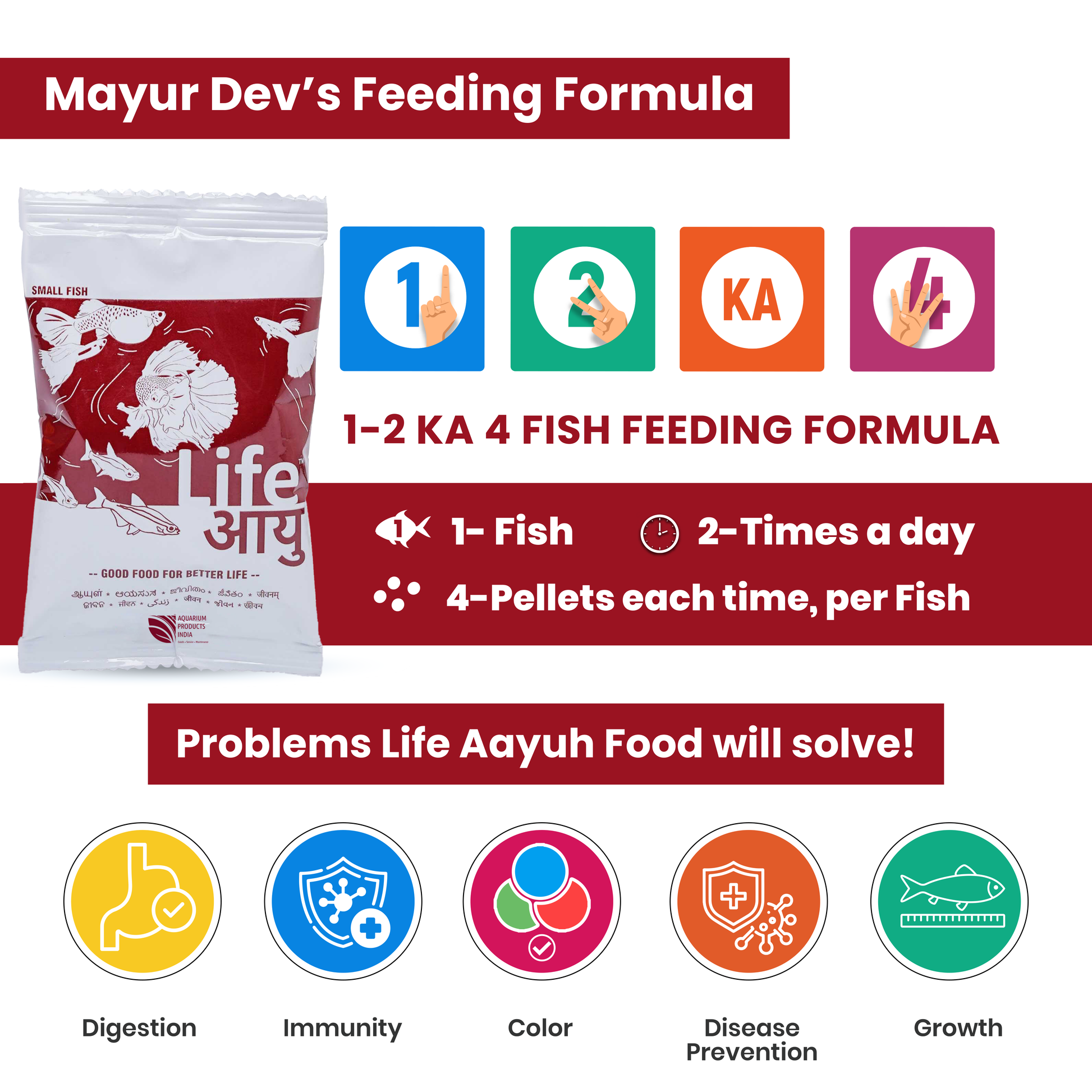
- Feed 2 small meals instead of 1 large
- Morning + evening works best
- Avoid feeding during peak afternoon heat
💡 This reduces:
- Waste buildup
- Digestive stress
- Uneaten food settling at the bottom
3. Choose the Right Type of Food

Not all fish food works the same in summer.
Heavy, protein-rich food = more waste + higher metabolic load.
👉 What to do:
- Use high-quality, easily digestible food
- Slightly lower protein, balanced nutrition
- Rotate between:
Flakes (For Surface Feeders)
💡 Light, fast-digesting, perfect for top feeders like guppies, tetras & bettas.
Pellets (For Mid & Bottom Feeders)
💡 Controlled feeding, less mess, ideal for cichlids, goldfish & community tanks.
💡 Bonus Tip:
If you’re serious about fish health, the quality of food matters more than quantity.
4. Introduce a Weekly Fasting Day

This is something most beginners resist… but experienced aquarists swear by it.
👉 What to do:
- Skip feeding once a week
- Let the fish’s digestive system reset
💡 Benefits:
- Prevents bloating
- Reduces waste
- Improves long-term health
Your fish won’t starve — in fact, they’ll thrive.
⚠️ Common Summer Mistakes to Avoid
- ❌ Feeding out of excitement (not observation)
- ❌ Letting food sit uneaten
- ❌ Ignoring water quality
- ❌ Over-relying on “more food = more growth”
Importance Of Proper Feeding
Proper feeding is crucial for maintaining a healthy aquarium environment. It directly impacts fish health, growth, and behaviour. Here are some key points regarding the importance of proper feeding:
- Prevents Health Issues: Feeding the right amount of food prevents obesity and malnutrition. Overfeeding can lead to water quality issues due to excess waste. Underfeeding can cause stunted growth and weakened immune systems.
- Encourages Natural Behaviour: Proper dietary practices mimic fish’s natural feeding habits. This promotes natural behaviours, such as foraging and social interactions. Healthy feeding habits reduce stress and promote overall well-being.
- Supports Tank Ecosystem: Fish contribute to the aquarium’s ecosystem. Their waste acts as a nutrient source for beneficial bacteria. Ensuring proper feeding maintains a balanced environment and helps keep these bacteria thriving.
- Enhances Water Quality: Adequate food volume reduces the risk of overfeeding and consequent water pollution. Keeping food portions appropriate helps maintain stable water parameters, which is essential for fish health.
- Improves Fish Lifespan: Research indicates that well-fed fish tend to live longer and show fewer health problems. High-quality food promotes longevity and vibrant colouration, enhancing your aquarium’s beauty.
- Tailor's Nutrition: Different species require specific diets for optimal health. Understanding and providing a balanced diet tailored to your fish species supports their unique dietary needs.
- Final Thought
I’ve seen tanks crash, not because of bad equipment…
…but because of good intentions and overfeeding.
In summer, your role shifts from feeder → ecosystem manager.
Feed with awareness, not emotion.
FAQs
1. How often should I feed fish in summer?
Feed 1–2 times daily, but in smaller portions. Splitting meals is better than one heavy feeding.
2. Can fish go without food for a day?
Yes. A weekly fasting day is actually beneficial for digestion and water quality.
3. Why does my water get dirtier faster in summer?
Higher temperatures accelerate waste breakdown and bacterial activity, especially if overfeeding occurs.
4. Should I change fish food in summer?
Yes. Use lighter, high-quality, easily digestible food with balanced nutrition.
5. How do I know if I am overfeeding?
If food remains after 2–3 minutes, or you see:
- Cloudy water
- Algae growth
- Sluggish fish
👉 You’re overfeeding.
6. Is fish appetite higher in summer?
They may appear hungrier due to increased activity — but that doesn’t mean they need more food.

